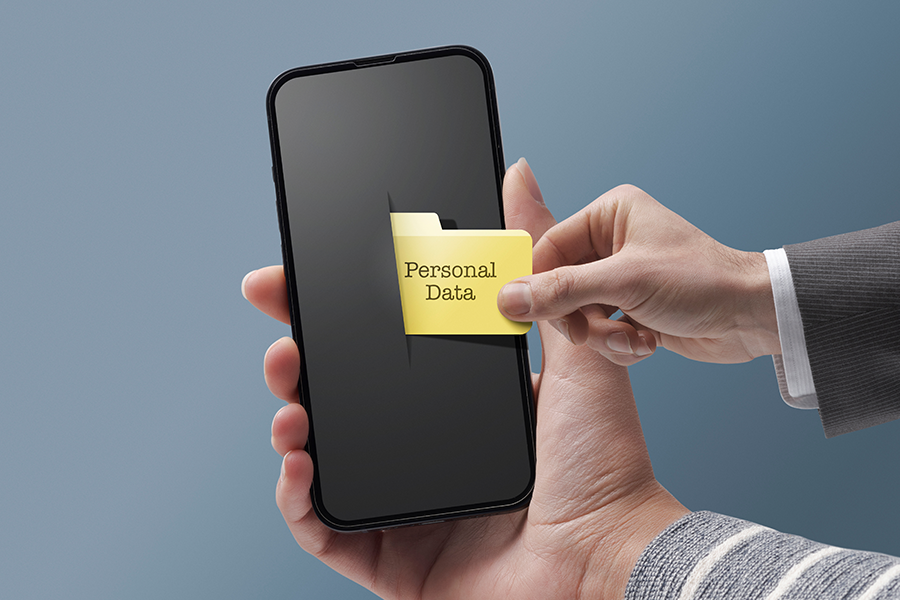
The new year is just days away, and you can bet the scammers are already on the hunt for their next victim and optimizing their scamming ways. Here are the top scams that cybersecurity experts are predicting to attack consumers in 2024.
 The phishing we all know from years ago is gone. Phishing is much more advanced now. Generative artificial intelligence (AI) will be used to create convincing emails, texts, website, phone calls, and more, with the purpose of tricking consumers and businesses to provide vital personal and financial information.
When you’re ever in doubt that any communication is coming from the person or company that it says it’s from, avoid it. If needed, contact the company or individual directly through a trusted website, phone number, or email address.
With the older millennials, generation X, and the growing generation Z population connecting online, the demographics of scammers to target is changing. We must protect and educate our younger generation.
Education is key. We can all play a part in the education of our youth on the continuous change in the landscape of online threats. Helpful resources can be found at our website as well as banksneveraskthat.org.
 Supply chain fraud is when a business email account is compromised by a hacker. The hacker then communicates to the business’s customers requesting payment for goods or services. A key element of the email usually includes a new account number and a new method of payment so the money goes to the scammers instead of the actual company.
If there is ever a change in payment processes requested through email, always verify through a trusted source that the payment procedure has been changed.
You can reduce risk by verifying unexpected requests independently, protecting passwords and one-time codes, and reporting suspected fraud.
For general steps and verified reporting channels, visit Security and Fraud Awareness. For online banking login help, use Bank Online Help.
Source of scam information: fastcompany.com
